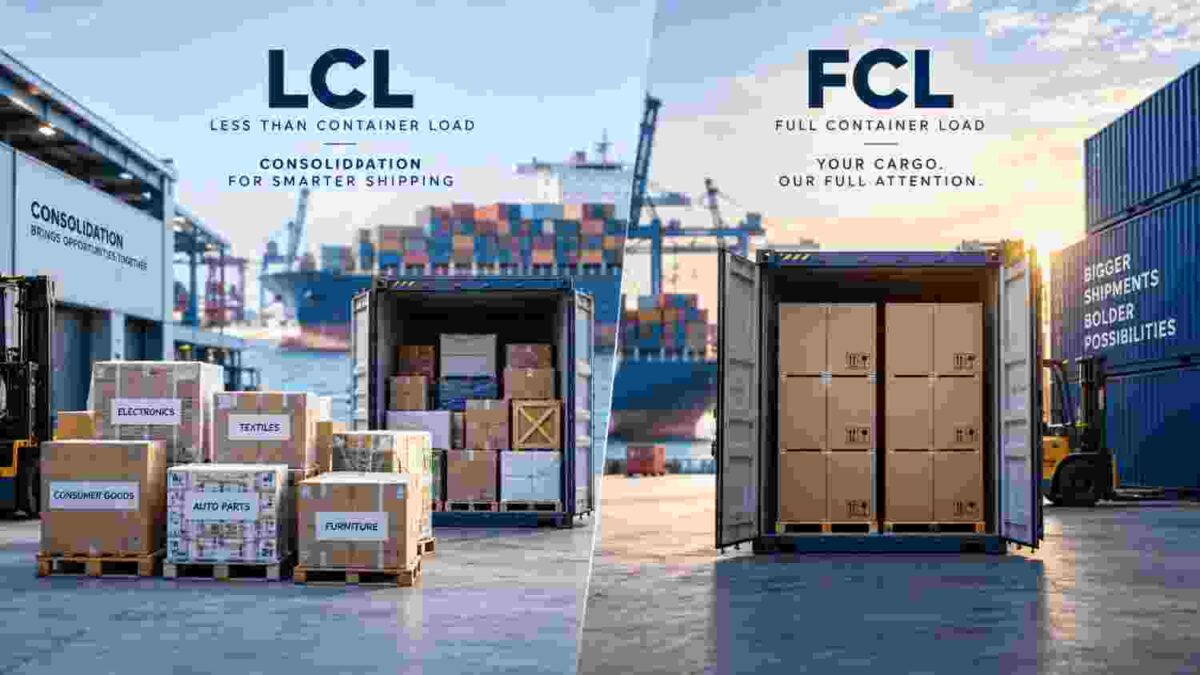
LCL vs. FCL: When Should You Choose Consolidation for Your International Shipments?
Additional Info

CountryIndia
StateMaharashtra
CityMumbai
StreetOffice No. 1207/08, 12th Floor, Ghanshyam Enclave, Link Road, Next to Laljipada Police Chowky, Kandivali (West), Mumbai, Maharashtra, 400067, India.
Zip/Postal Code400067
Phone02228688622
Website:(eg: www.google.com)https://mprsshipping.com/lcl-vs-fcl-when-should-you-choose-consolidation-for-your-international-shipments/
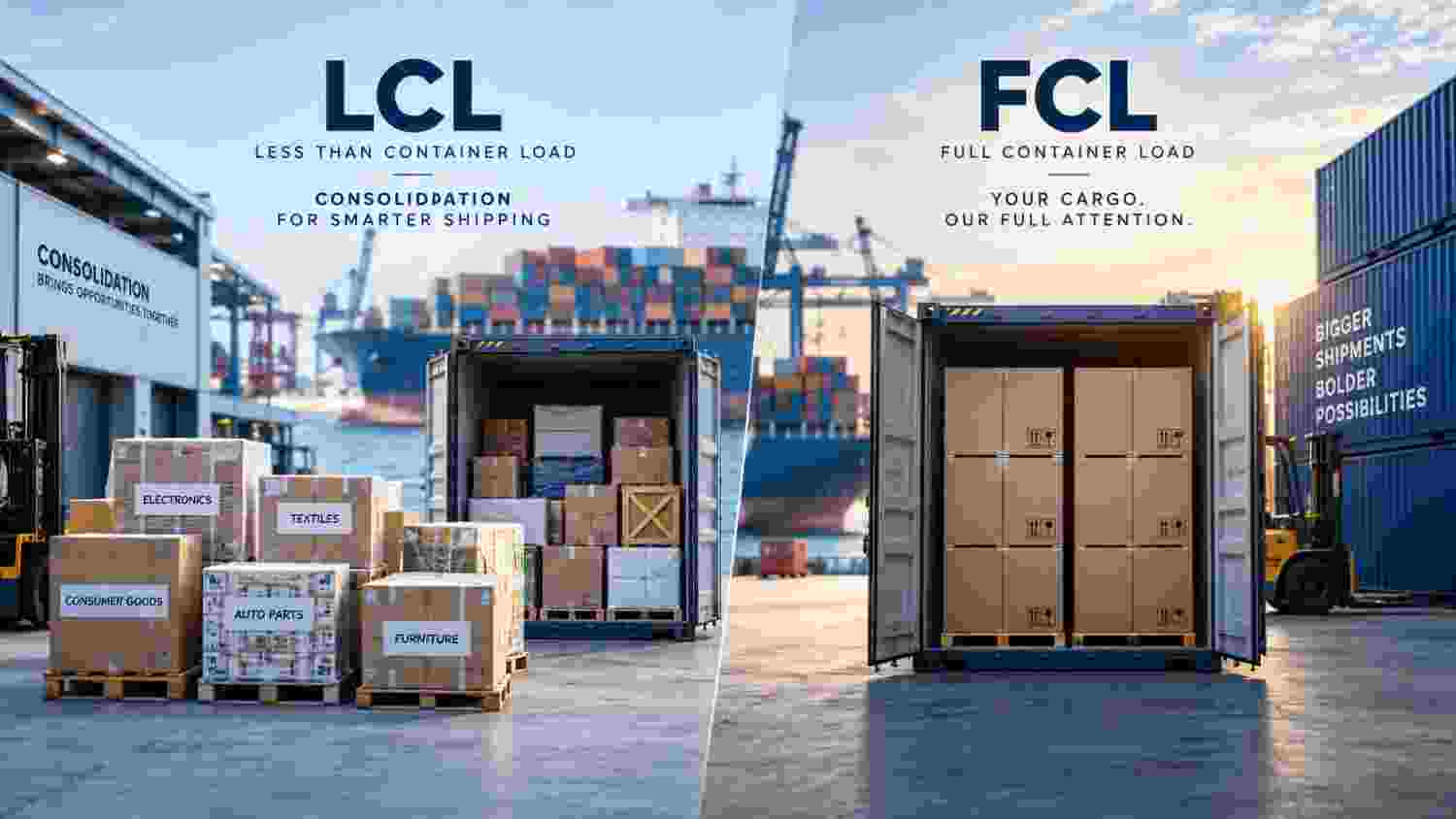
International shipping involves more than simply moving cargo from one country to another. Businesses need to consider shipment volume, cost, transit time, cargo type, destination requirements, customs procedures & the reliability of their logistics partner. One of the most important decisions is choosing between LCL (Less than Container Load) and FCL (Full Container Load) shipping.For businesses that do not have enough cargo to fill an entire container, consolidation services can provide a practical & cost-effective solution. Instead of paying for an entire ocean container, multiple shipments from different customers are consolidated into one container & transported together.But when should you choose consolidation services over FCL shipping? Understanding the differences between LCL and FCL can help businesses make smarter decisions across their international supply chain management operations.What Is LCL Shipping? LCL (Less than Container Load) is an ocean freight shipping option used when a shipment does not occupy an entire container. Your cargo is combined with shipments belonging to other businesses, allowing the overall transportation cost to be shared.This process is commonly referred to as cargo consolidation services. A freight forwarder collects individual shipments, moves them to a consolidation facility then combines compatible cargo into an ocean container & arranges transportation to the destination.For small and medium-sized businesses, consolidation services can make international shipping more accessible because they eliminate the need to book & pay for a full container when the cargo volume is relatively small.LCL is particularly useful for small-volume imports and exports, regular shipments that do not justify a full container, businesses testing a new international market, e-commerce & retail shipments & samples, spare parts & smaller commercial consignments.With the right ocean freight forwarders, LCL can become an efficient part of your broader ocean freight logistics strategy.What Is FCL Shipping? FCL (Full Container Load) means one shipper uses an entire container for its cargo. The container may be 20-foot, 40-foot or another suitable configuration depending on the shipment requirements.Unlike LCL, FCL does not involve sharing container space with other consignments. This can simplify handling and reduce the number of times cargo is moved during transportation.FCL is generally suitable when your shipment volume is large enough to fill most or all of a container, cargo is fragile or requires dedicated handling, you want greater control over the container, faster transit is important or you have regular high-volume international shipments.For larger importers and exporters, FCL can be an important component of global logistics solutions, particularly when integrated with warehousing logistics, customs clearance, inland transportation & last-mile delivery.LCL vs. FCL: What Is the Difference? The key difference is simple: LCL shares container space, while FCL provides dedicated container space. However, the right choice depends on much more than shipment size. With LCL, container space is shared with other shipments. It is generally better suited to smaller consignments & you pay based on the space or volume your cargo occupies. With FCL, the container is dedicated to your shipment, making it more suitable for larger cargo volumes. LCL can provide greater flexibility for businesses shipping smaller quantities, while FCL can be more efficient for businesses with consistent or high-volume requirements.When Should You Choose Consolidation Services?1. When Your Cargo Does Not Fill a Container:The most obvious reason to choose LCL consolidation is insufficient cargo volume. Suppose you need to ship 5 CBM of commercial goods internationally. Booking a full container may leave significant unused space. With consolidation services, your cargo can share an ocean container with other shipments. Instead of paying for unused container capacity, you pay for the portion of space your shipment occupies. This makes LCL an attractive option for businesses managing smaller shipments through international shipping services.2. When You Want to Reduce Upfront Shipping Costs:FCL involves paying for an entire container regardless of whether it is completely utilized. For businesses shipping smaller quantities, this can increase transportation costs. Consolidation allows multiple shippers to share container costs. A reliable freight forwarding company in India can arrange the collection, consolidation, documentation, ocean transportation, deconsolidation & delivery of the shipment. For businesses operating from major commercial hubs, experienced freight forwarders in Mumbai can also coordinate origin-side activities and connect shipments to global destinations.3. When You Ship Smaller Quantities Frequently:Not every business has e

September 18, 2026 5:26 am

5 days, 11 hours

Listing ID 4126aaccb7bad22a 26 total views, 1 today
Report problem
Processing your request, Please wait....