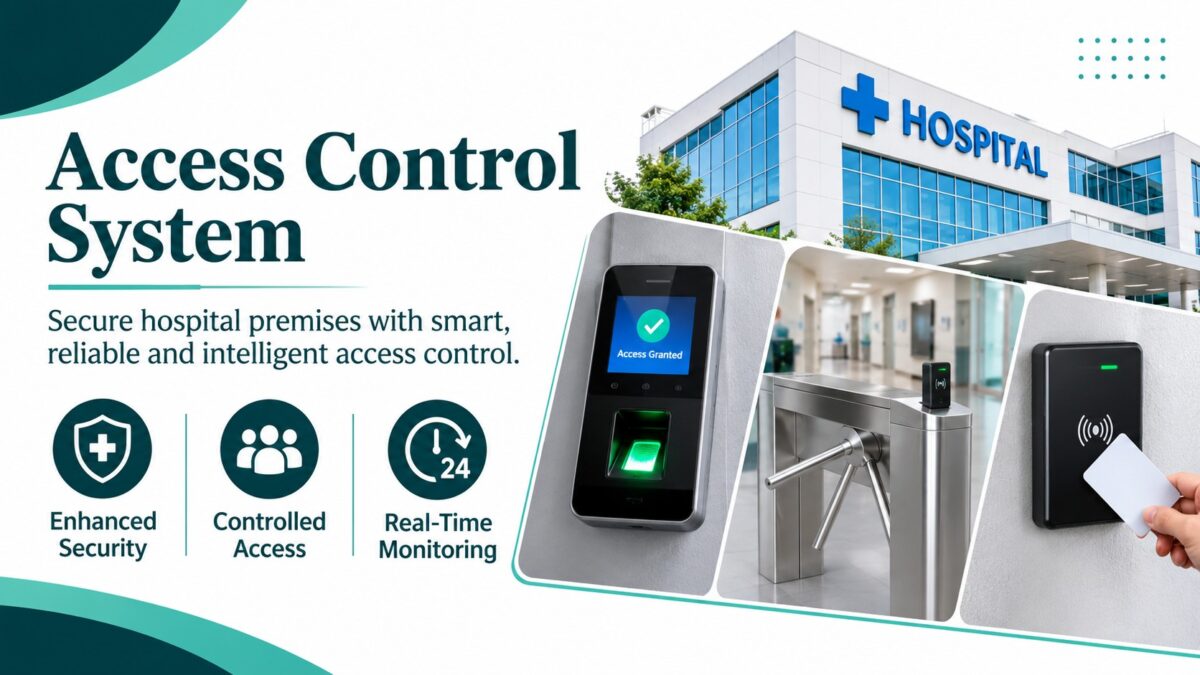
Access Control System for Hospitals in UAE: Enhancing Healthcare Security, Patient Safety, and Operational Efficiency
Additional Info

CountryUnited Arab Emirates
Website:(eg: www.google.com)https://tektronixllc.ae/access-control-system/
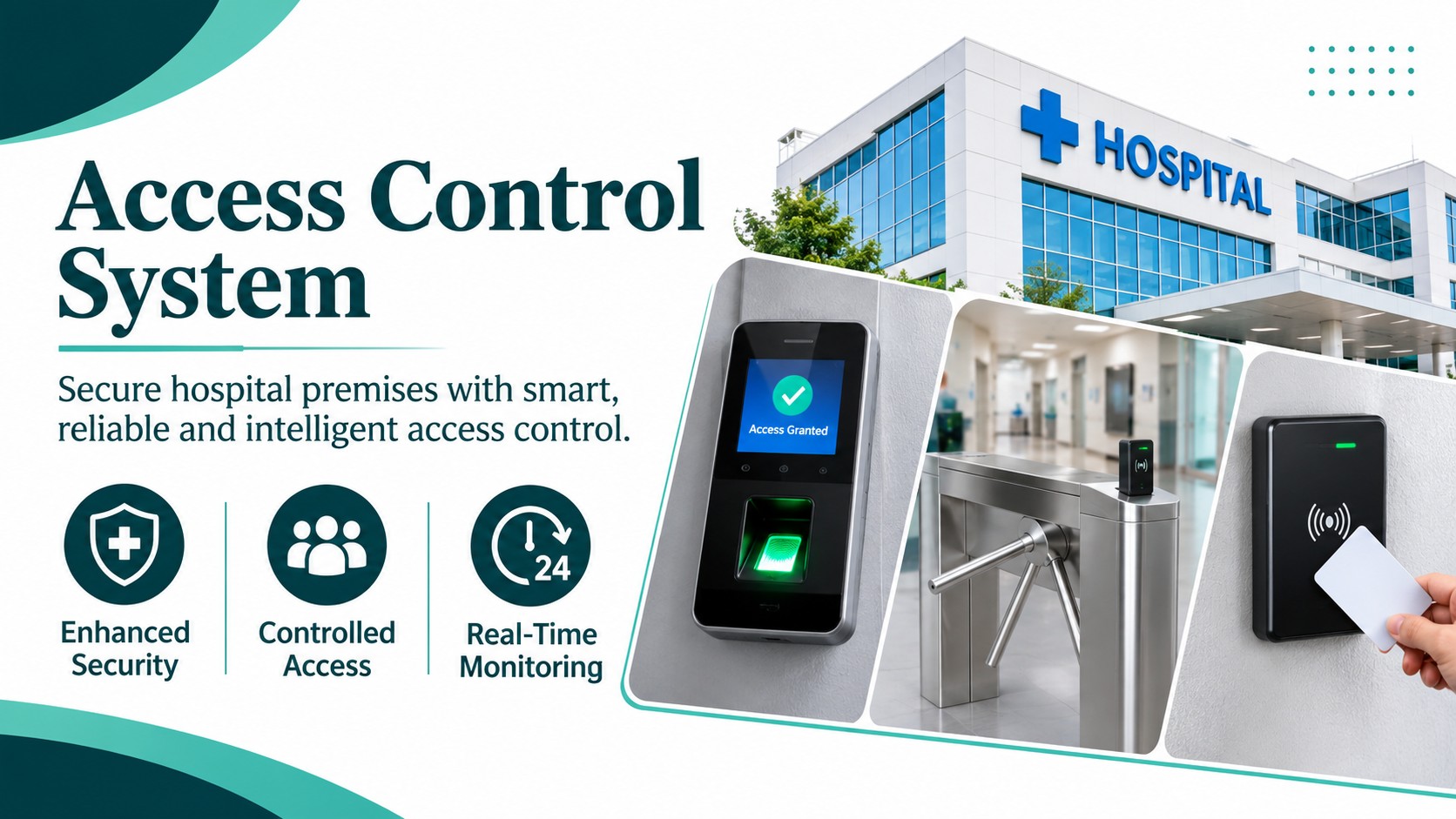
Hospitals are complex healthcare environments where protecting patients, medical professionals, visitors, and valuable medical assets is a critical responsibility. With multiple departments, emergency entrances, laboratories, pharmacies, intensive care units, and restricted medical facilities, hospitals require advanced security solutions to manage access efficiently while maintaining a safe and controlled environment. An advanced Access Control System for Hospitals in UAE helps healthcare facilities regulate entry, monitor movement, and protect sensitive areas through intelligent security technologies. From large hospitals in Dubai and Abu Dhabi to healthcare centres in Sharjah, Ajman, and other Emirates, modern access control solutions support secure and efficient hospital operations. By integrating Gate Barrier Access Control, Turnstile Access Control, Facial Recognition Access Control, HID Access Control, and Video Analytics Access Control, hospitals can establish a comprehensive security infrastructure that improves access management, strengthens patient safety, and provides greater visibility over facility operations. Importance of Access Control Systems in UAE Hospitals Healthcare facilities operate around the clock and accommodate patients, doctors, nurses, administrative employees, contractors, and visitors. Managing access manually can create security challenges, particularly in areas containing sensitive patient information, expensive medical equipment, pharmaceuticals, and critical infrastructure. A professional Hospital Access Control System provides controlled entry based on user identity, authorization levels, and designated access permissions. 1. Protecting Patients and Healthcare Staff Patient safety is one of the most important priorities in healthcare environments. Access control helps prevent unauthorized individuals from entering patient wards, intensive care units, maternity departments, and other sensitive locations. 2. Securing Restricted Medical Areas Certain hospital departments require additional security. These include: • Intensive Care Units (ICUs) • Operation theatres • Medical laboratories • Pharmaceutical storage rooms • Blood banks • Medical records departments • Data centres and server rooms An integrated Restricted Area Access Control System ensures that only authorized personnel can enter these locations. 3. Improving Visitor Management Hospitals receive a continuous flow of visitors, patients, suppliers, and service providers. Automated access management helps verify visitors, control entry permissions, and maintain accurate entry and exit records. 4. Supporting UAE Healthcare Security Requirements Healthcare facilities in Dubai, Abu Dhabi, Sharjah, and other Emirates need reliable security infrastructure to support operational safety, privacy, and facility management requirements. An integrated Hospital Security System in UAE helps healthcare organizations strengthen their internal security procedures. Key Access Control Technologies for Hospitals Modern hospitals require different access control technologies depending on the entrance type, security level, and operational requirements of each department. 1. Gate Barrier Access Control Gate barrier systems help manage vehicle entry and exit at hospital entrances, parking facilities, emergency service areas, and restricted vehicle zones. These systems can integrate with RFID cards, vehicle identification systems, access credentials, and security management platforms. Key benefits: • Controls authorized vehicle entry and exit. • Restricts unauthorized parking access. • Supports hospital staff and visitor parking management. • Improves traffic flow at hospital entrances. • Maintains vehicle access records. A reliable Gate Barrier Access Control System helps hospitals manage vehicle movement without compromising security or emergency access. 2. Turnstile Access Control Turnstile systems provide controlled pedestrian entry into designated hospital areas. They are particularly useful at staff entrances, administrative buildings, employee-only corridors, and selected access-controlled zones. Turnstiles can integrate with RFID cards, biometric authentication, and other authorized credentials. Key benefits: • Prevents unauthorized pedestrian entry. • Reduces tailgating and uncontrolled access. • Supports employee attendance monitoring. • Regulates pedestrian movement. • Provides entry and exit records. A modern Turnstile Access Control System helps healthcare facilities maintain organized pedestrian movement while strengthening internal security. 3. Facial Recognition Access Control Facial recognition technology provides identity-based authentication using advanced biometric recognition systems. It allows authorized hospital personnel to access designated areas without depending entirely on physical access cards. This technology can be deployed at sta

November 25, 2026 4:42 am

29 days, 21 hours

Listing ID 5626b066724d8545 14 total views, 14 today
Report problem
Processing your request, Please wait....